After 30 years of treating children with lower limb pain and discomfort, we are now in a position to explore this more deeply but we need your help. The aim is to gather enough information to identify patterns, improve understanding, and ultimately provide meaningful answers. Real pain deserves real focus.
Complete the research survey
We have created a short research survey to help us do exactly that. It takes less than five minutes to complete, and your input could make a significant difference. Please take a moment to fill it in and share it with others who may be able to contribute.
Thank you for helping us move closer to answers.
We would love to hear from your child too
We have created a child-friendly questionnaire especially for them.
Why This Research Matters
The Hawkins Institute for Growing Pain Research and Treatment is leading one of the largest studies of its kind. Our goal is to move beyond assumptions and build a clearer, evidence-based understanding of childhood limb pain what causes it, how it affects children, and what can be done about it.
This is not just an academic exercise. The findings from this study will help shape how childhood pain is recognised, diagnosed, and aims to re address future treatment — creating better outcomes for children everywhere.
Who Can Take Part
This study is open to anyone who has experienced or witnessed the impact of childhood limb pain. We welcome contributions from:
- Parents and guardians of a child with recurring leg or foot pain
- Adults who experienced growing pains as a child

A Label, Not a Diagnosis
"Growing pains" is one of the most common reasons for childhood limb pain — yet it remains one of the least understood. It has become a label, not an explanation.
Pain Is a Signal
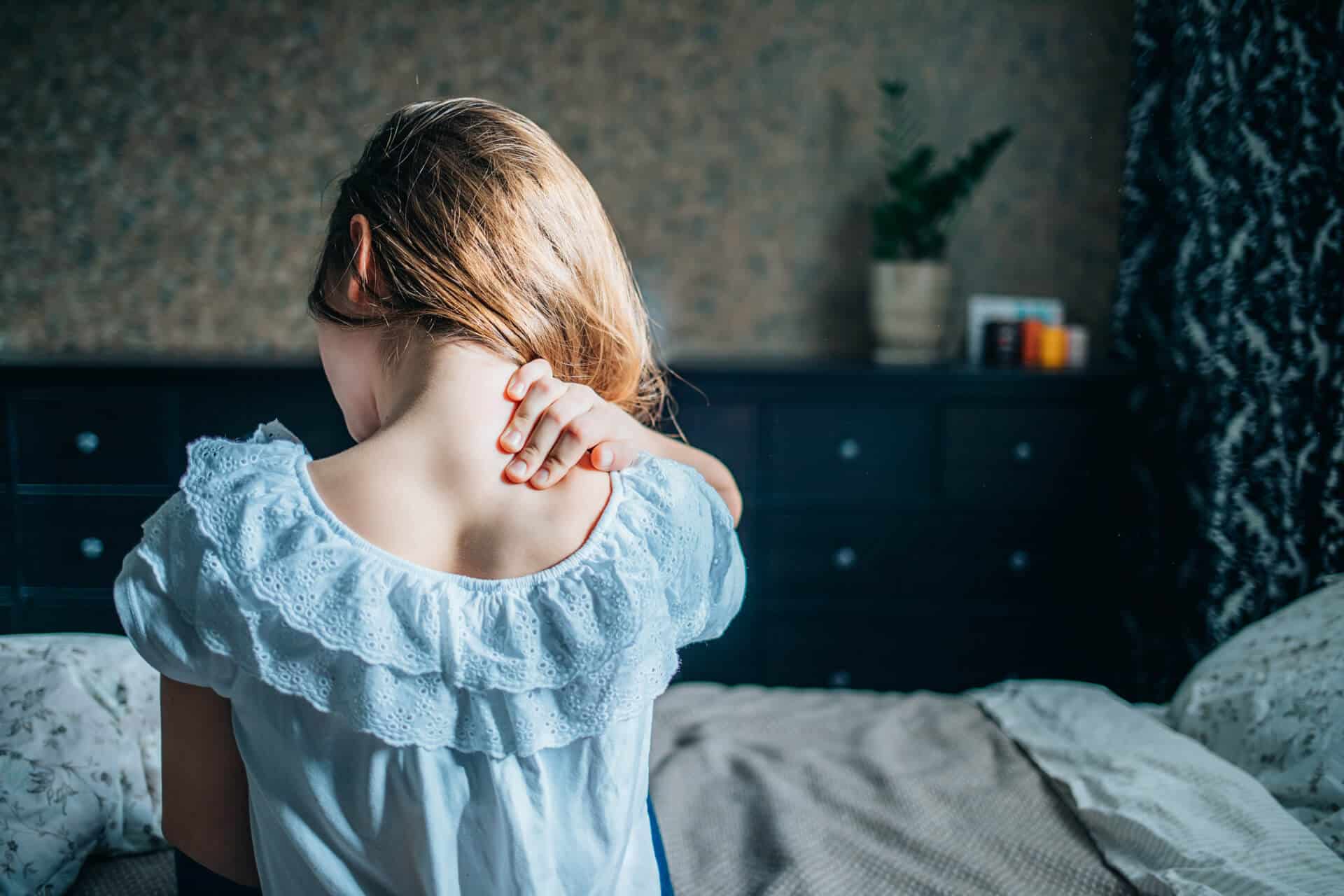
Pain is never meaningless. It is always a signal. Children who experience recurring pain deserve proper investigation, not reassurance alone.

Your Child Deserves More
Too many children are told they will "grow out of it." We believe every child experiencing pain deserves to be heard, assessed, and supported.

There Are Answers
Through evidence-based research, we can build a better understanding of childhood pain — and create clearer pathways to support and treatment.